


|08 January 2026
A custom transformer can significantly boost system performance when it’s designed specifically for your application instead of using a generic off-the-shelf unit. Here’s how it helps, broken down by performance dimensions.
1. Higher Electrical Efficiency
A custom transformer can be optimized for:
- Exact input voltage range (e.g., 110 V only, 230 V only, or narrow tolerance)
- Exact load profile (continuous vs pulsed current)
- Operating frequency (50/60 Hz or high-frequency SMPS)
Benefits
- Lower core and copper losses
- Reduced heat generation
- Smaller heatsinks or no active cooling
- Better overall system efficiency (often +3–10%)
2. Improved Voltage Regulation & Stability
Generic AC-DC supplies are designed for “average” use cases.
A custom design can deliver:
- Tighter voltage regulation (±1% or better)
- Lower output ripple and noise
- Better transient response to load changes
Why this boosts performance
- Sensitive electronics (MCUs, FPGAs, RF, audio, sensors) operate more reliably
- Less need for downstream regulators
- Reduced timing errors, data corruption, or analog distortion
3. Lower EMI & Noise
Custom transformers can be designed with:
- Optimized winding geometry
- Electrostatic shields
- Custom core materials
- Proper grounding and isolation strategy
Result
- Lower conducted and radiated EMI
- Easier compliance with FCC / CE / CISPR standards
- Improved signal integrity in high-speed or analog circuits
4. Better Thermal Performance
By tailoring:
- Core size and material
- Wire gauge
- Duty cycle assumptions
You get:
- Cooler operation at nominal load
- Longer component lifespan (every 10 °C drop roughly doubles lifetime)
- More stable performance in hot environments
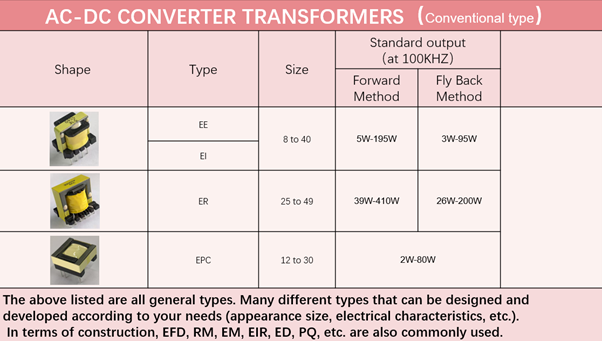
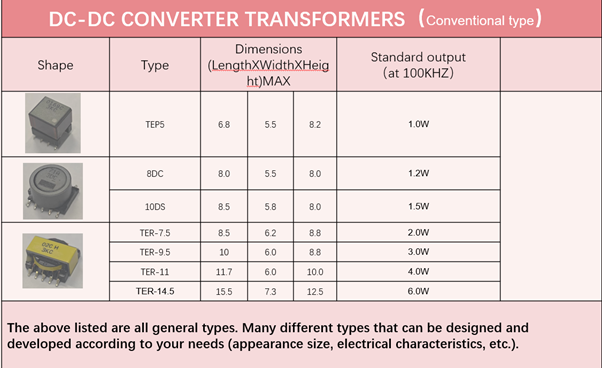
More information can be found on the datasheets:
If you want more information or if you have any questions, please contact Nijkerk Electronics!